
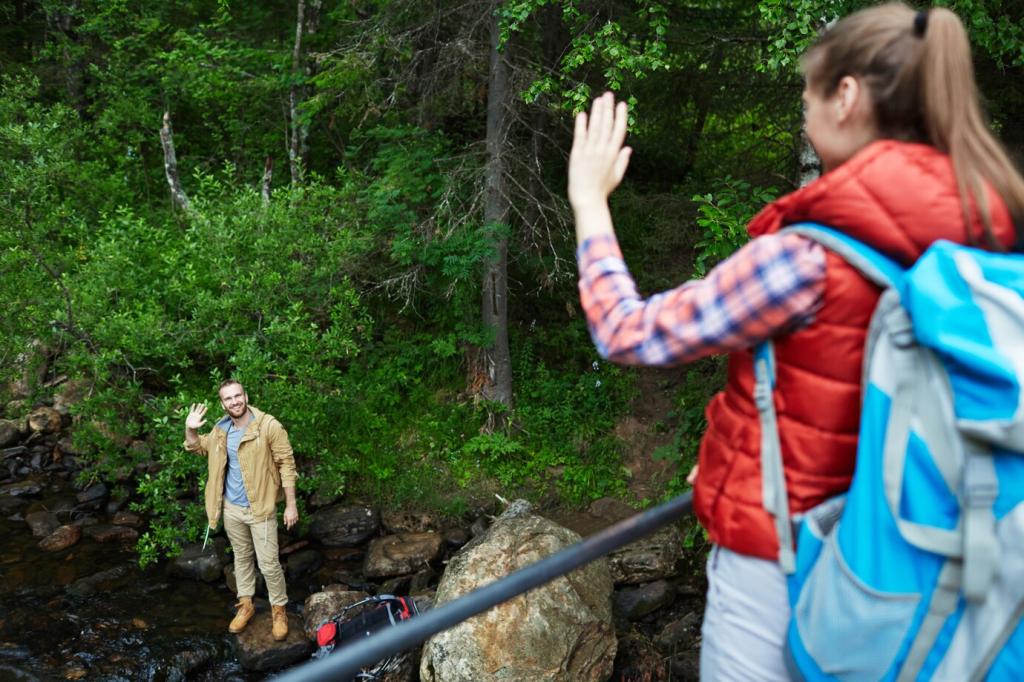
Chosen theme: Eco‑Tourism: Balancing Nature and Visitors. Welcome to a home for curious travelers, patient planners, and passionate guardians of wild places. Together we explore how to experience nature without overwhelming it, how to amplify local voices, and how to return home more responsible than we arrived. Share your thoughts, subscribe for fresh field notes, and help this community shape kinder journeys.

Foundations of Balance in Eco‑Tourism

Carrying Capacity, Honestly Counted

True balance honors limits: dynamic quotas that respond to seasons, storms, and wildlife behavior. Rangers, guides, and scientists should set the numbers, while visitors respect digital permits and shoulder-season bookings. Tell us where you saw capacity done right, and what you learned by waiting or rerouting.

Leave No Trace, Lived Not Posted

Principles work when they move from signboards into habits. On a windy ridge, I watched a hiker pocket others’ wrappers without fanfare, and the mood of our group changed. Share your simple rituals—bagging microtrash, staying on rock, quiet voices—that protect soil, birds, and fellow hikers’ experiences.

Benefit Sharing That Feels Fair

Balanced eco‑tourism channels revenue to local residents through wages, co‑ops, and community funds shaped by transparent decisions. In a mangrove village, canoe guides voted to repair the school roof before expanding docks. How would you allocate a visitor fund? Comment with priorities you believe sustain dignity and nature.

Slow Itineraries That Breathe

Staying two or more nights per stop lowers transport emissions, builds relationships, and invites you to notice morning bird calls and evening tides. Slow rhythm is not laziness; it is attentiveness. Subscribe for sample slow routes that trade checklists for depth, and share your favorite place to linger without rushing.

Right Size, Right Time

Small groups disturb less, hear more, and leave space for wildlife to continue routines. Travel at dawn light or in shoulder seasons to spread visitation across time. Tell us how you choose group sizes and dates, and what surprised you when you visited a popular site at an unexpected hour.

Guarding Wildlife and Fragile Habitats

Distance Is a Form of Care

Buffer zones, binoculars, and telephoto lenses let animals feed, rest, and raise young without flinching. A ranger once whispered, “The best selfie is the one you never take,” and a fidgety crowd calmed. Will you pledge to keep your distance and celebrate sightings you did not disturb?

Citizen Science With Boundaries

Visitors can collect valuable data on reefs, birds, and phenology when projects are co‑designed with scientists and communities. On a quiet beach, turtle nest counts ended before dusk to limit disturbance, with uploads done later by lamplight. Join a project, follow protocols, and report respectfully without chasing the perfect photograph.

Seasonal Rest, Zero Exceptions

Breeding, molting, and migration demand quiet periods. Trails and bays may close; that is not inconvenience but stewardship. I once rerouted around a cliff where falcons nested, and the detour revealed orchids I would have missed. Support closures, and suggest how operators can communicate them clearly to avoid pressure and disappointment.

Co‑Ownership, Not Token Input

From co‑managed parks to village guide cooperatives, decision‑making power must be real. A women’s weaving collective once chose tour hours around childcare and harvest, and visitors adapted gladly. Follow community‑led operators, and tell us how you evaluate whether local partners genuinely shape the experience you purchase.

Cultural Protocols as Invitations

Learning greeting customs, photography rules, and sacred site boundaries turns tourism into exchange rather than extraction. Your curiosity should ask permission first. Share a phrase you learned that opened doors kindly, and how you passed on a photo when the moment belonged to hosts, not your feed.

Local Guides as Interpreters

Resident guides translate landscape and history, noticing cloud shifts, ancestral markers, and the quiet humor of everyday life. Fair wages, training, and safe conditions are part of balance. Introduce us to a guide who changed how you see rivers or forests, and how you supported their ongoing work.

Measuring, Reducing, Restoring

Record kilograms of CO₂ per day, liters of water used, and waste diverted. Many operators publish dashboards; ask for them. Adopt our simple tracker, and comment with the metric that changed your behavior most—perhaps the shock of a short flight compared with a long, efficient train ride.

Education That Inspires Long After the Trip

Guided walks and fireside talks turn geology and ecology into living narratives. A ranger’s field notebook once revealed decades of first bloom dates, written in careful pencil. Subscribe for monthly story highlights, and share the lesson that followed you into daily life, altering choices at your supermarket or city park.

Education That Inspires Long After the Trip

Good interpretation includes tactile maps, quiet zones, and multilingual signage so everyone feels welcome. Children who learn to read tracks today become tomorrow’s advocates. Comment with accessibility ideas you have seen work brilliantly, and how they helped your group engage without overwhelming sensitive habitats or fellow visitors.
Nihon-syoukai
Privacy Overview

This website uses cookies so that we can provide you with the best user experience possible. Cookie information is stored in your browser and performs functions such as recognising you when you return to our website and helping our team to understand which sections of the website you find most interesting and useful.